
Leithanien is a nation built on song. What united its ten disparate tribes wasn't an army, but the 'Güldenes Gesetz'—a golden movement completed a thousand years ago. In Zwillingstürme, the city of twin towers that guards that movement, the Empress Festival is held every year.
But this year, three days before the festival, the aging Prince-Elector of Sturmland is murdered in his own tower. And his hidden daughter, Viviana, returns to the unfamiliar capital as a candidate for 'Voice of the Empress,' honoring her father's final wish.
Twenty-three years since the Witch King died, everyone thought his name as a tyrant had been forgotten. But masked figures have begun chanting that name again, and beneath this autumn's sunset wait reunions and farewells no one could have foreseen.
1. Her Father's Death, and a Mission That Begins at Once
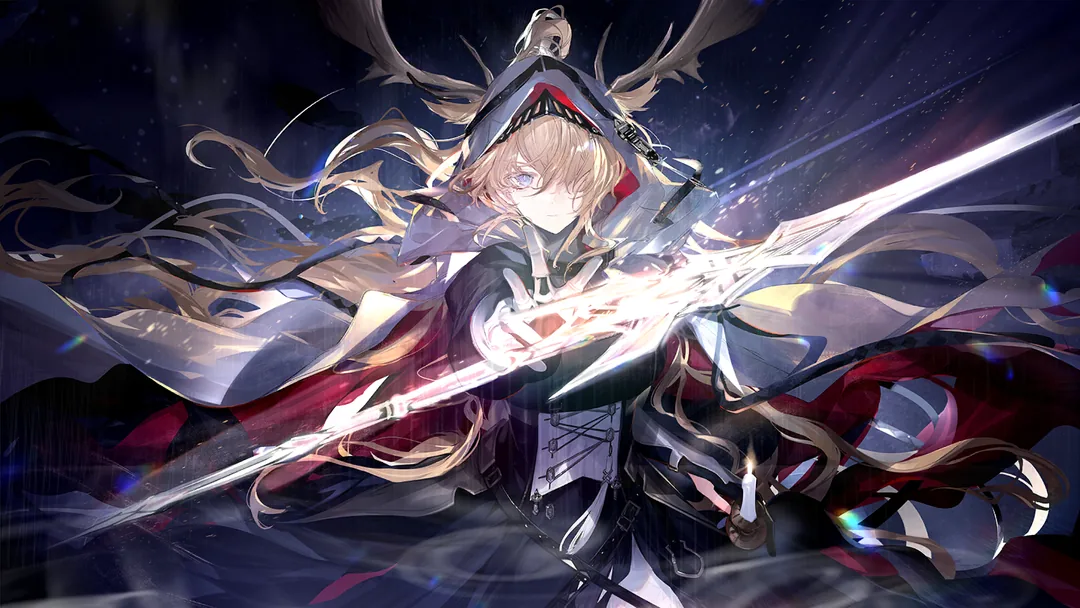
On a stormy night in Sturmland, Prince-Elector Werner is murdered in his own tower. That same night, Viviana, the 'Candlelight Knight' retired from Kazimierz, is led by a stranger named Cora out through a general store window as they flee.
Only then does Cora tell her the truth: that Viviana is Werner's hidden daughter, that her father has already passed away, and that she must now go to the capital to become 'Voice of the Empress.'
In Kazimierz, Viviana was always just called 'the knight from Leithanien.' But now that she's actually back home, she still feels like a stranger.
That same night, down a different alley, Ebenholz returns to his homeland in secret, his identity hidden. The spy tailing him mutters bitterly, "Former Count of Urtica, are you now… waiting for a true 'death'?"
Arriving in Zwillingstürme, Viviana has an audience with Empress Ewigegnade and is ordered to hunt down the 'Echo of Herkunftshorn' that killed her father, alongside the Gesetzschwerter Brandt. Her formal appointment won't come until after the festival, so until then she must move under a hidden identity.
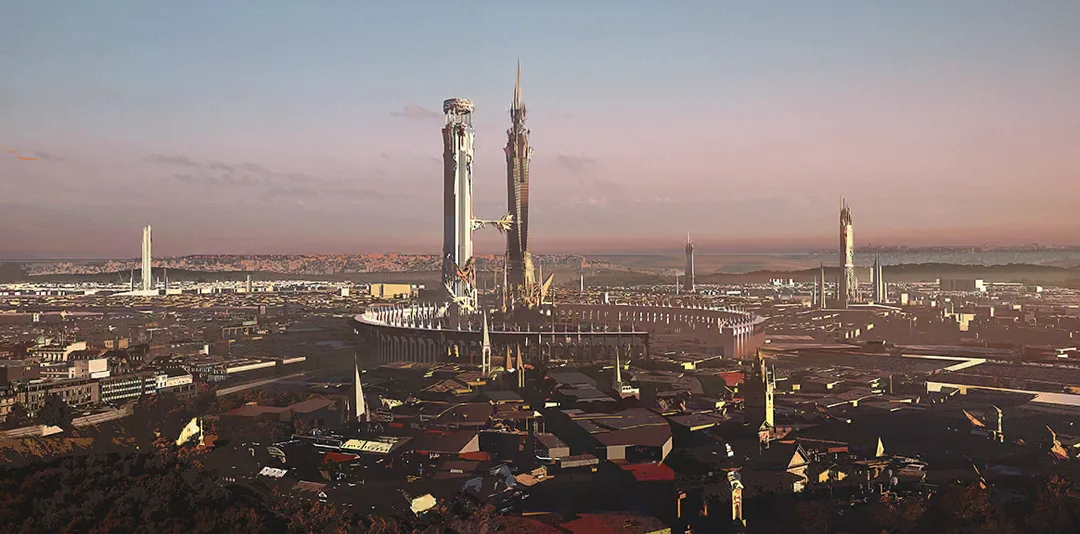
2. A Dead Painter's Final Work, Not Meant to Be Seen
On the opening day of a gallery exhibition, the painter Madam Siman collapses and dies before her own final work. The painting is titled 'The Death of the Witch King.' Guided there by gendarmerie captain Loris, this painting carves a black spiral into the mind of anyone who looks at it.
At that moment, the Sankta cellist Arturia appears and calms the chaos. She explains that Madam Siman had admired the Witch King in her youth, and that her heart became entirely trapped the moment she watched him fall.
If it's sincere enough, even a painting or a melody can move a person's heart. Don't be afraid… just feel it.
— Arturia
Meanwhile, Federico, an Executor from Laterano, also arrives in the city. The fugitive he's chasing turns out, remarkably, to be none other than his own older sister.
Loris finds Federico exasperating, yet quietly looks out for him. The drunken gendarmerie captain and the Sankta unfamiliar with emotion—these two mismatched people end up traveling together almost by accident.
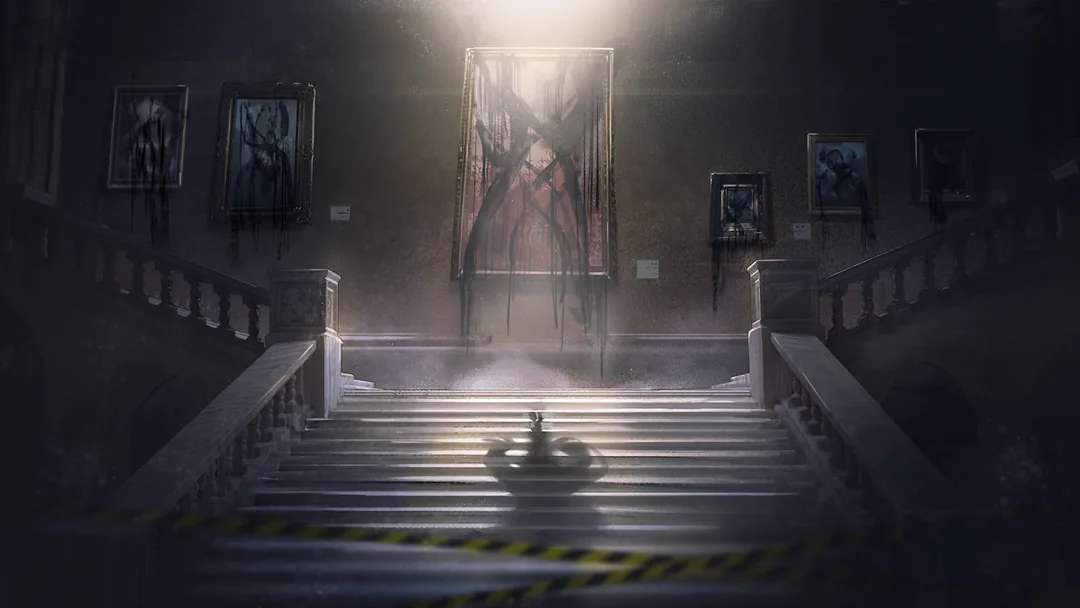
3. An Atonement That Brought Down an Entire School
The Witch King's remnants believe that the 'Note of the Mortal World' remaining within the Urtica bloodline—within Ebenholz himself—is the key to reviving His Majesty. Lessing, the remnants' young swordsman, is ordered to capture him.
It's Gerhard, a gentle scholar at Ludwigs University, who ends up saving Ebenholz. A survivor of the assault on the Witch King's tower 23 years ago, he had long been searching for a way to atone. He leads Ebenholz beneath the university, to the hidden chamber where the Witch King once rewrote the old Güldenes Gesetz.
Fremont, the lich scholar guarding that chamber, was in fact an old friend of the Witch King, yet he feigns indifference, insisting he has no interest in national affairs. Even he can't help but turn serious in the face of his student's betrayal.
Gerhard raises a brass instrument and brings it down as hard as he can on the head of the very young man he'd just saved. He, too, turns out to be one of the remnants.
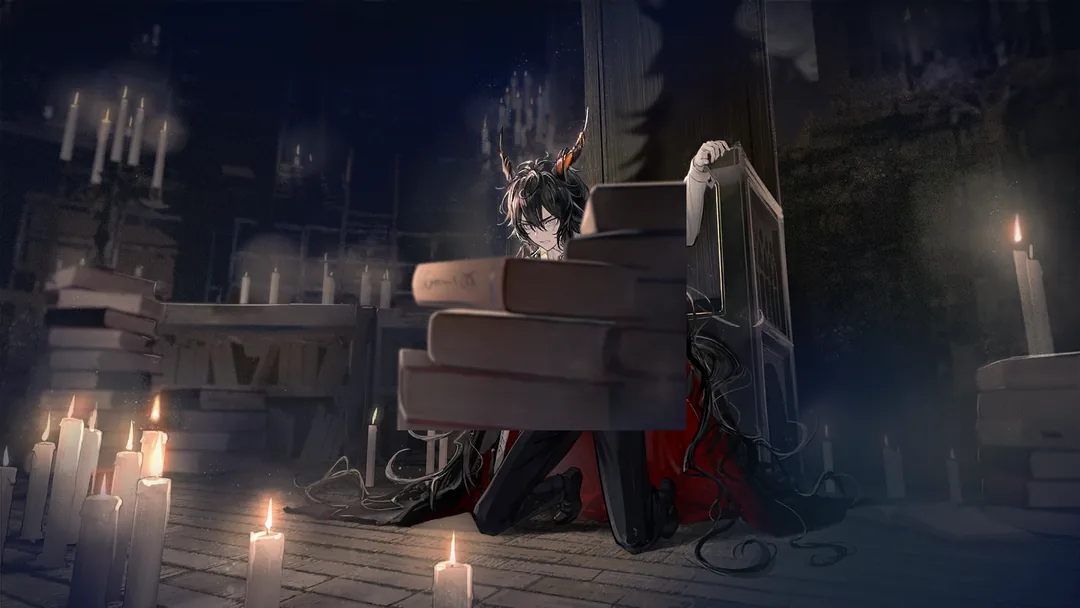
His guilt was, in truth, self-consolation. He wanted proof that there had been a 'better choice,' even if it meant reviving His Majesty. Fremont and Lessing join forces to rescue the students from the collapsing university.
Ermengarde, Fremont's younger lich colleague, grumbles placidly even amid the chaos: "My cube's worn down to nothing, and now this whole mess." But when things actually turn dangerous, she's the first to send out her threads and pull people to safety.
4. A Case Unsolved for 15 Years, and Yesterday's Hero
Loris, chasing the remnants, ultimately loses his life in the sewers. His last request before dying was a single one: "someone, please take up Julia's case."
Julia was Loris's lover, who vanished fifteen years ago. The two parted on the morning of a café's reopening—the very day Loris had planned to propose—and Loris had gone on gathering evidence about the case alone for fifteen years since.
Federico accepts the dying wish according to an Executor's rules, and for the first time begins to understand that 'emotion,' too, can be a form of information.
I'm too tired now, old man. In the end, I… can't die like you. Like a hero.
— Loris
But that night, Loris finally sits face to face with the fear he had always run from. And in his final moment, he stands against the remnants not as the coward he'd always been, but as a hero who chose, willingly, to return.
5. The Empress Festival, a Blade Hidden Within the Song
On the day of the Empress Festival, tens of thousands gather beneath the twin towers to perform the Güldenes Gesetz together. Once this piece begins, the entire city is dyed with a single emotion—but somewhere within that movement, the remnants had infiltrated, secretly layering another song on top.
Viviana and Cora try to stop the performance, but there isn't enough time. While Federico holds off the empress's casters, Viviana and Cora spend the remaining twenty-three seconds severing the connections of some of the musicians.
As the sunset falls, the earth splits open and a dark crimson tower rises up.
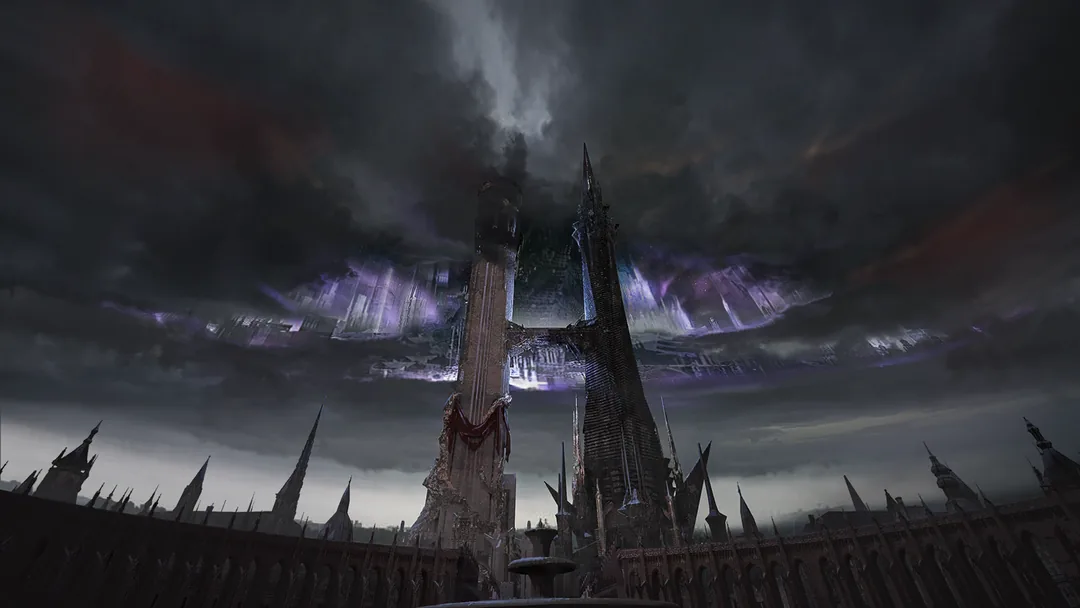
6. How to See Off the Person You Love Most
Thirteen years ago, it was Cora who took young Viviana, freshly orphaned of her mother, all the way to Kazimierz. From then until now, Cora had always been the one family who stayed by Viviana's side.
But Cora had long been posing as the remnants' 'Chief,' hidden away among them. What she wanted wasn't betrayal—only a future where no one would ever be hurt again the way Lucinda and Werner had been.
But that longing had slowly consumed Cora herself, and only one path remained: to meet her end at the hands of someone she loved.
Viviana raised her candlelight. She did not hesitate.
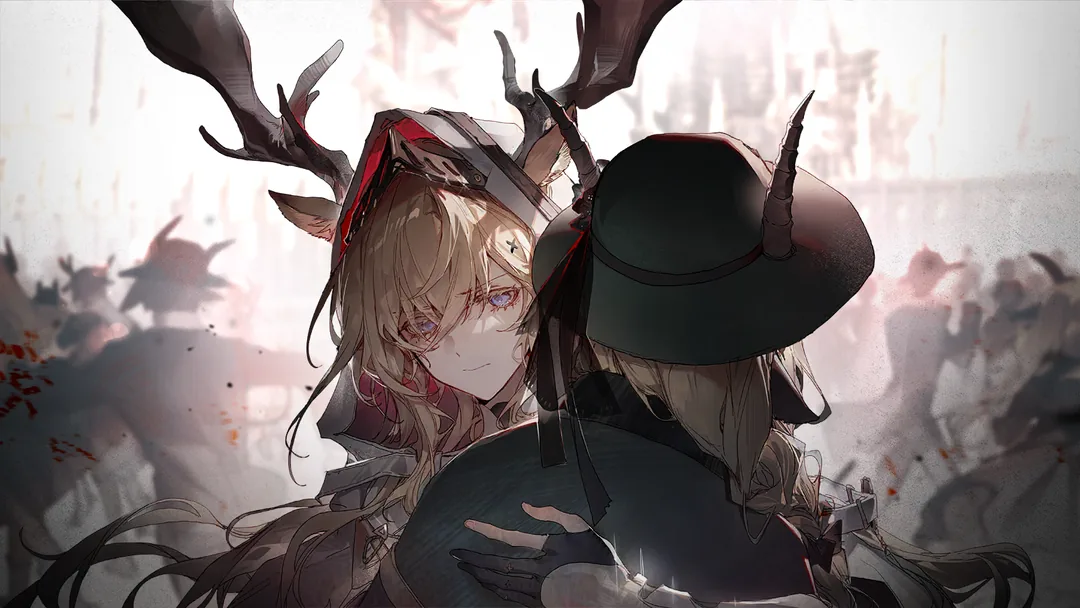
You deserve to live a better life, Viviana… if such a life truly exists.
— Cora
"Thanks to you, Viviana and I will go somewhere far away." And with that, Cora vanished into black flame. Brandt left only a single line behind: "No need to explain. You made your own judgment, and you carried it through."
7. The Throne Was Empty
As the tower rises, people all across the city are pulled into the 'Horn of Origin,' where reality and chaos intermingle. At the end of an endless spiral staircase, Ebenholz finally comes face to face with the Echo of the Witch King seated upon the throne.
Before the voice that has tormented him his whole life, the name that bound him to an examination table since childhood, Ebenholz has come prepared with every curse and insult he knows. But the tyrant, unexpectedly calm, simply points out that Ebenholz's true enemy has always been himself.
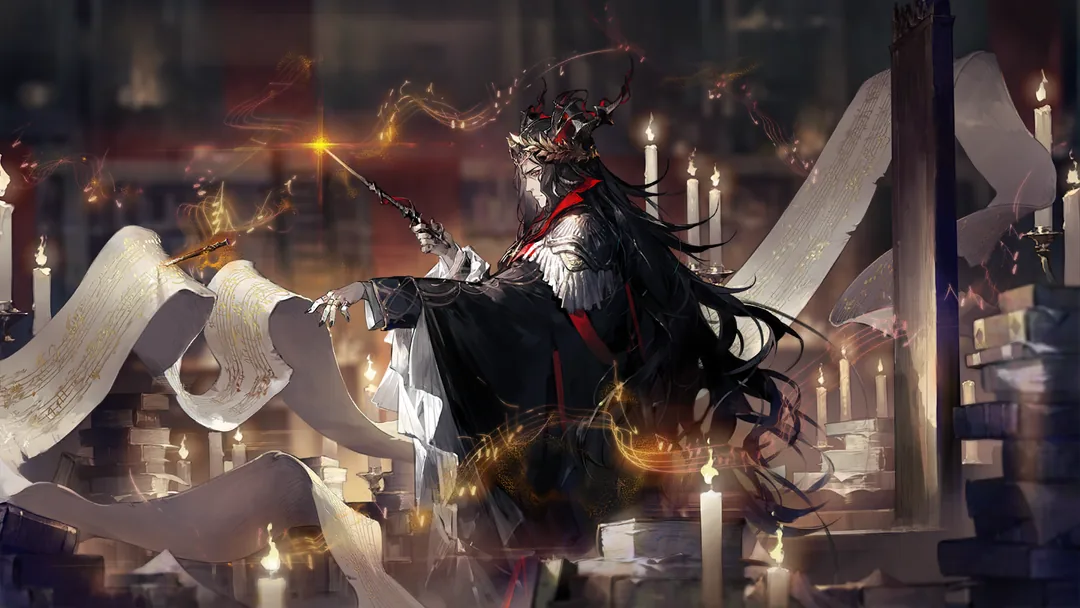
Ebenholz can't help but burst into laughter at those words. When the laughter fades, the throne is empty. The 'Witch King' he had feared for so long had, in the end, existed only within his own imagination.
8. For Hearts Going Hollow, the Sankta's Final Melody
Within that same chaos, Federico once again encounters traces of the dead Julia. As she disappears without ever fulfilling the proposal Loris never got to make, even the ever-composed Federico finds himself, for the first time, unable to speak.
Arturia, too, completely loses the sound of her own cello. She, who has always read the hearts of others, comes face to face for the first time with just how fragile she herself is.
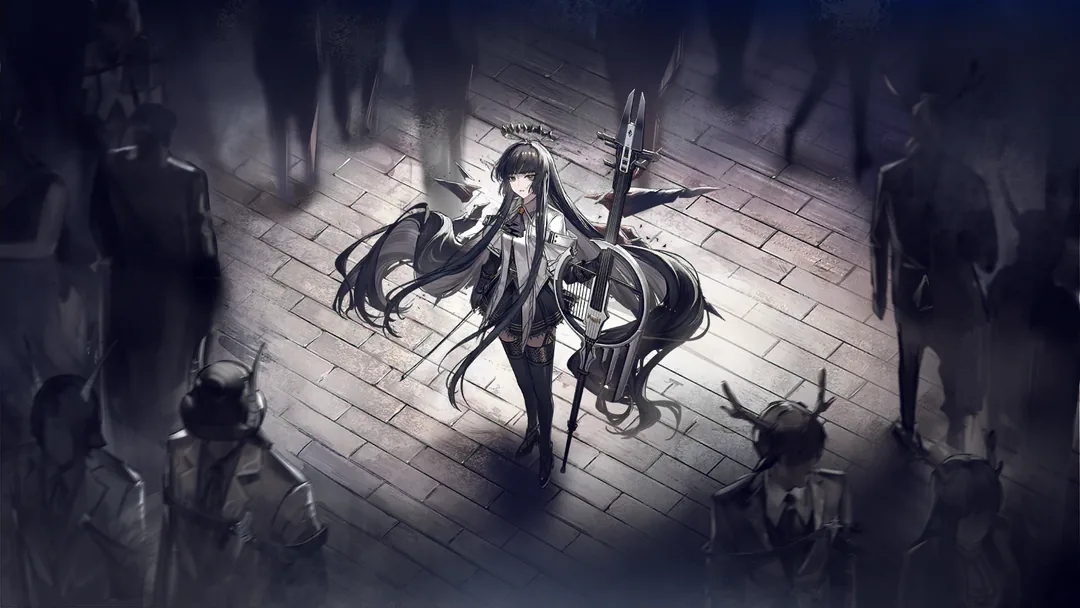
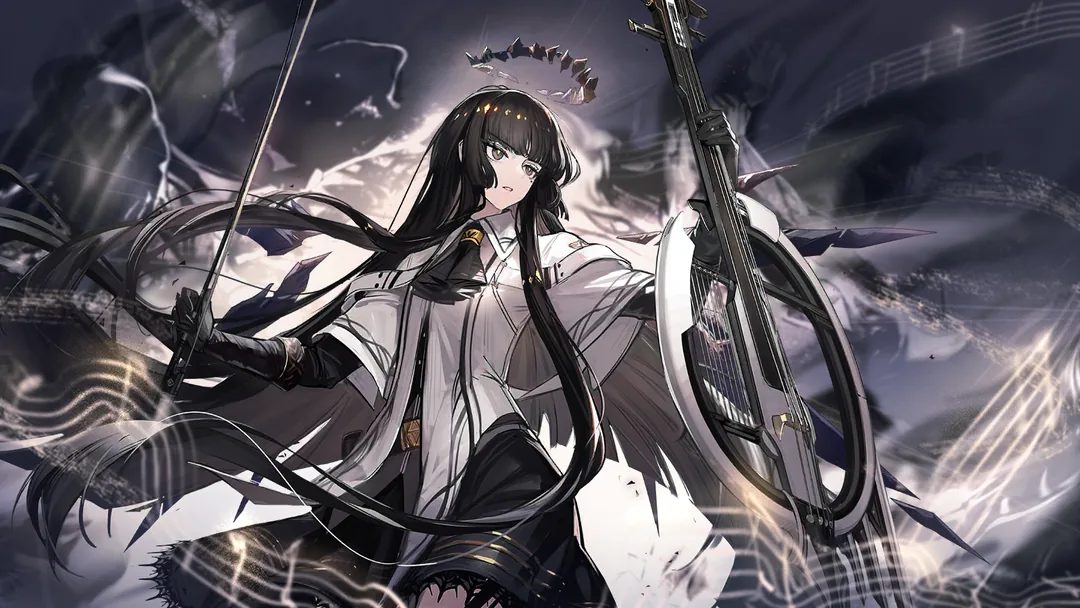
In the square beneath the tower, people who had lost every last emotion were turning into hollow shells. This time, Arturia chooses to play not someone else, but herself.
I will share my feelings with everyone. With this small, unremarkable pride of mine, I will connect every sorrow and every joy.
— Arturia
9. The Knight in the Sunset, and the Two Empresses' Final Duet
Viviana, too, opens hundreds of doors within that same chaos. Behind them lie lives that could never have been: 'parents who made better choices,' 'a self who came home sooner.'
She even comes face to face with her own childhood self. That child asks her back: isn't wandering in search of a better answer really just an escape—a way of comforting herself with the thought that 'there was never any other way'?
With collapse bearing down on her, Viviana chooses not to run. In her hand, the same light that shone from the knight in the novels she read as a child now takes hold.
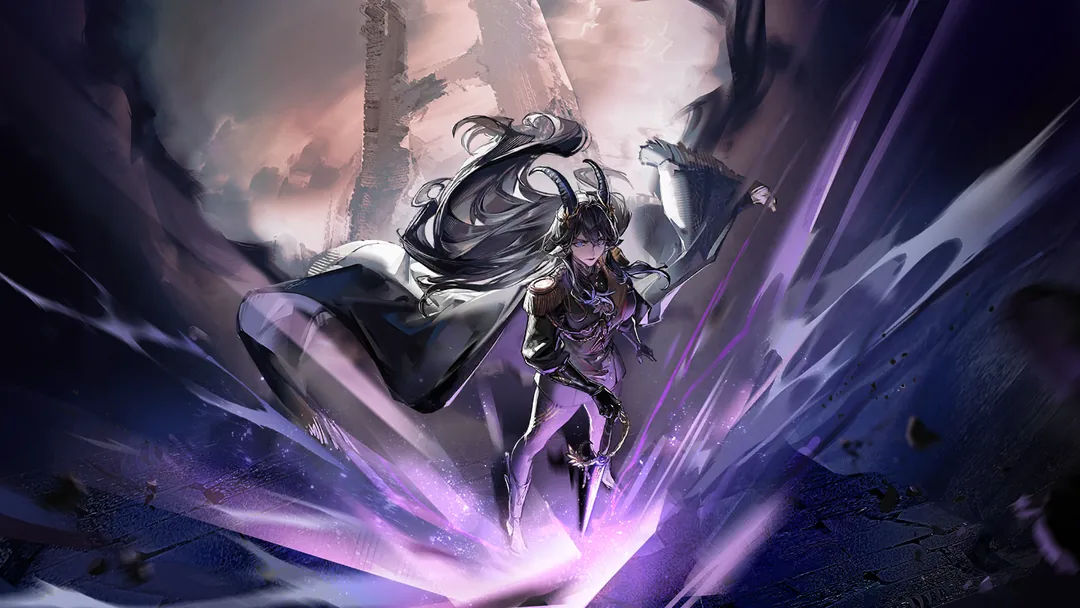
Meanwhile, Grimacht and Ewigegnade confront the Echo of the Witch King before the throne. The two empresses bring him down, but through the cracks of the collapsing tower, the gaze of things far more terrifying begins to seep in.
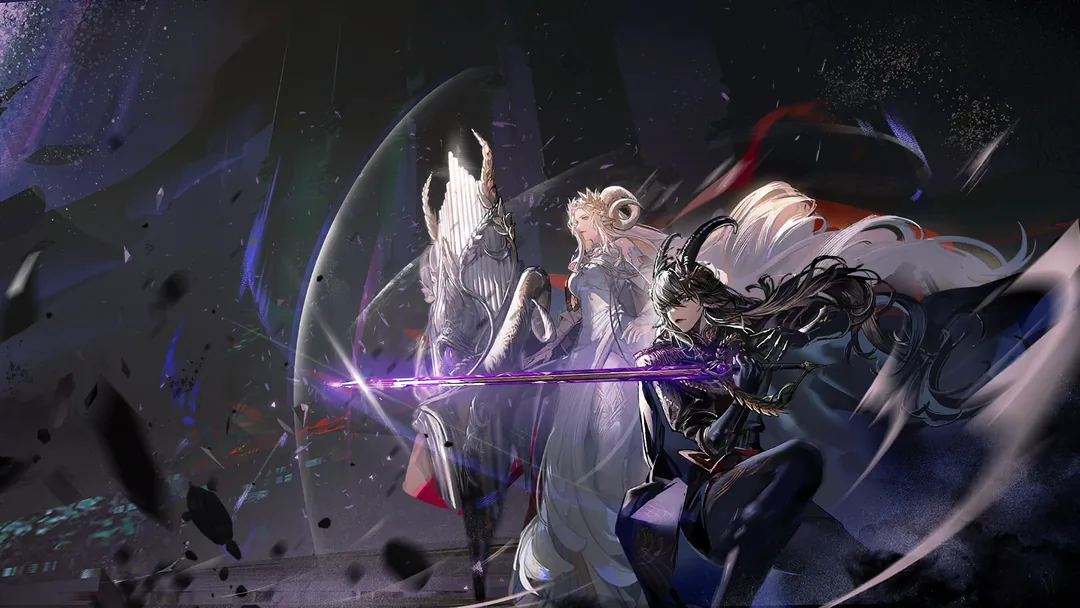
Today, or in some distant future, I will lose my life here and become part of the chaos. This is my fate. But it is never… never the fate of Leithanien or its people.
— Grimacht
The sunset returns. With the instruments in their hands, people begin to play, each their own, an entirely new song—one that is not the Güldenes Gesetz.
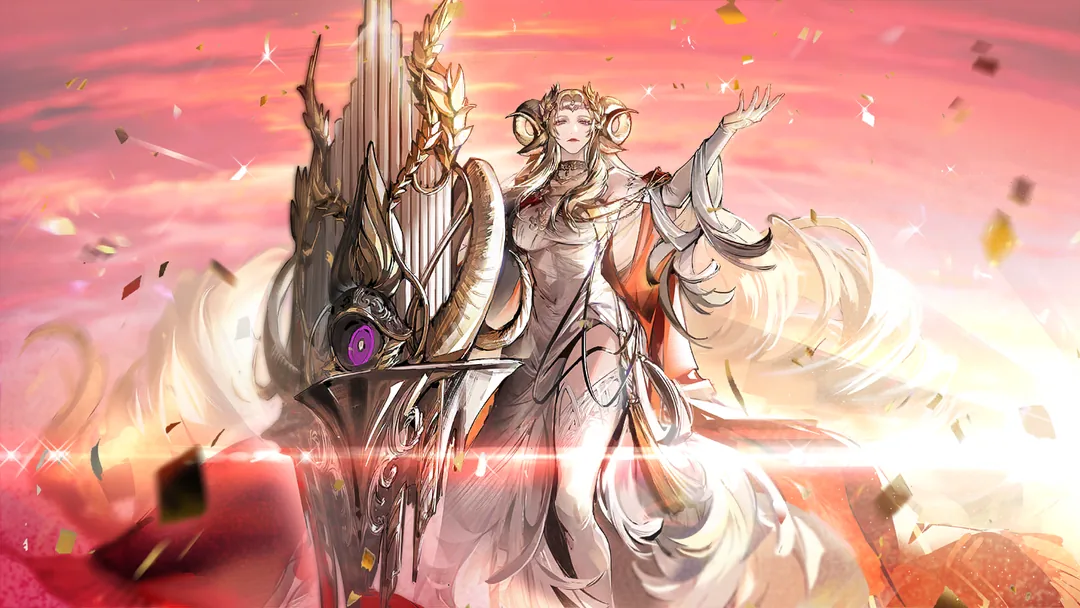
Having lost Grimacht, Ewigegnade chooses to hold onto that sunset forever, alone. "Because I am more perfect than Herkunftshorn." She said it with a smile, but tears ran down her cheeks.
Michael, recalling Grimacht's final order, plays his tuba alone. Now the mountain of paperwork left to handle, and the one remaining tower to guard, have both fallen to him.
Epilogue: The Sunset, Once More
Two weeks later, after hearing Lessing's long story, Ebenholz decides to return to the Urtica estate. If he was the one to inherit the Witch King's name, he reasoned, then it was also his to remake that name into something entirely different.
Hibiscus, his colleague from Rhodes Island, tracks him down belatedly and scolds him for disappearing without so much as a leave request. But seeing Ebenholz's composed expression, she realizes this is a decision he's already thought through more than enough, and quietly sorts out the paperwork for him.
Viviana politely declines the position of Voice of the Empress. When a reply arrives from the Nearl family of Kazimierz, she leaves the tree in the garden of the small house Cora once bought her to grow freely, and sets out once more, following a new lead.
Even as he takes Arturia back to Laterano, Federico lingers a while at her side, watching the sunset together. Just as she once promised, this was a moment when even the most rational of men could not, in the end, escape the beauty of this city.
Light is eternal, and it is darkness that is fleeting. Our feelings never truly disappear… just as the sunset has never once left the sky.
— Arturia
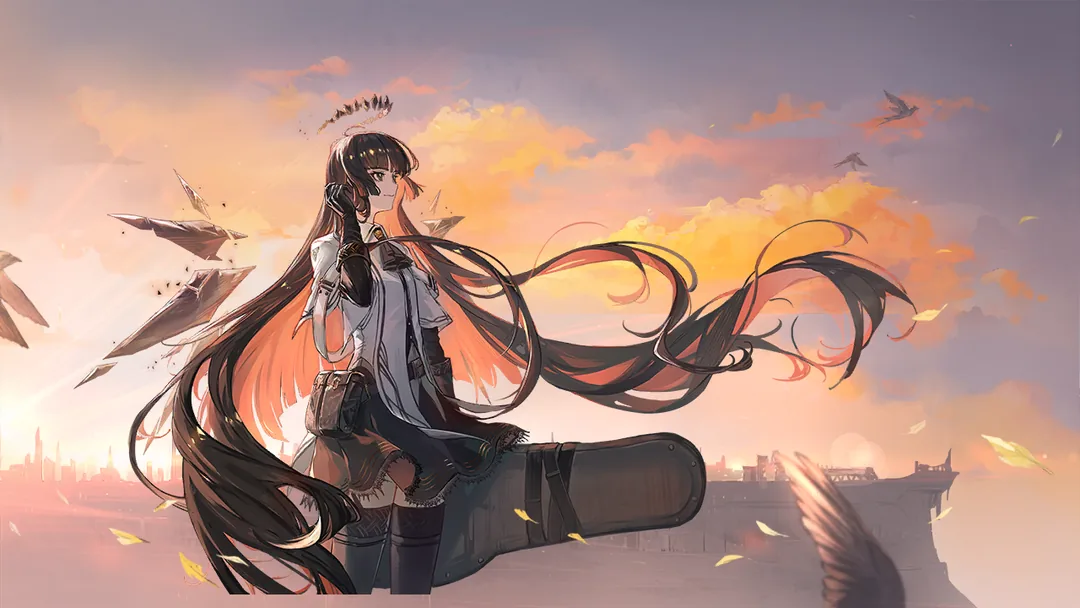
Leithanien remains a nation that stands on song. Only this autumn, that song carries within it a silence someone chose for themselves, and a sorrow someone else chose to bear in another's place. And once the marigolds fall, another sunset will come.